
Sacralizing the Ordinary, Commodifying the Sacred
Penglai Pavilion’s Shifting Sacrality (1061–Present)
Written By: Xiaonan Ren
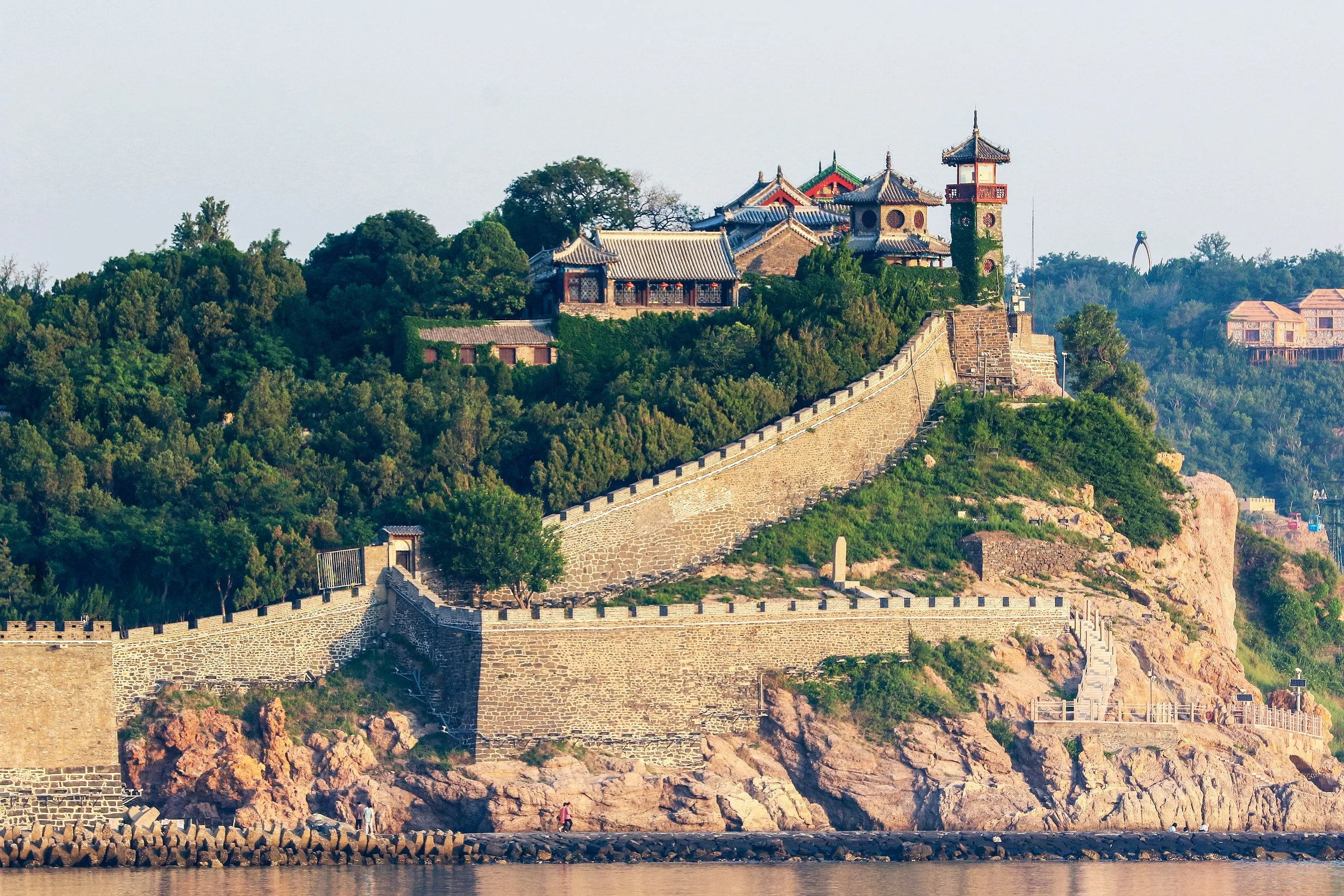
Figure 1. Penglai Pavilion, Yantai, Shandong, China. Source: Visual China, image ID VCG211446232523, 500px Signature, licensed to author.
Penglai Pavilion, located in Penglai, Yantai, Shandong Province, China, is renowned as one of the “Four Great Towers of China,” alongside Yellow Crane Tower, the Pavilion of Prince Teng, and Yueyang Tower (fig. 1 and fig. 2). The main structure of Penglai Pavilion was originally built in 1061, during the Song dynasty, and was later expanded into a large Taoist architectural complex that underwent several restorations throughout the Ming and Qing dynasties. Today, as one of the most significant contributors to Penglai District’s economy, the Penglai Pavilion tourism area has long been promoted as a “人间蓬莱 [sacred paradise on earth]” (fig. 3). This identity is produced not by the pavilion alone, but through its integration with the mountain, the sea, and the surrounding natural and built environment, an aspect that many scholars of the Penglai Pavilion complex also emphasize. Existing studies by Yi Fu and Yang Meng portray Penglai Pavilion as an image of fixed and unchanging sacredness. As Thomas Jansen argues in “Sacralising a Landscape,” landscape “is not merely the scenic background,” but is instead “involved in a process of mutual (trans)formation with human action.” In this sense, the Penglai Pavilion Architectural Complex should be understood as a dynamic landscape rather than a fixed sacred image. This dynamic dimension of the site, which reflects its ongoing (trans)formation, has been largely overlooked in existing studies. This essay explores the evolving nature of Penglai Pavilion’s sacredness, tracing its changes from the Northern Song dynasty to the twenty-first century, from sacralizing the ordinary to commodifying the sacred.
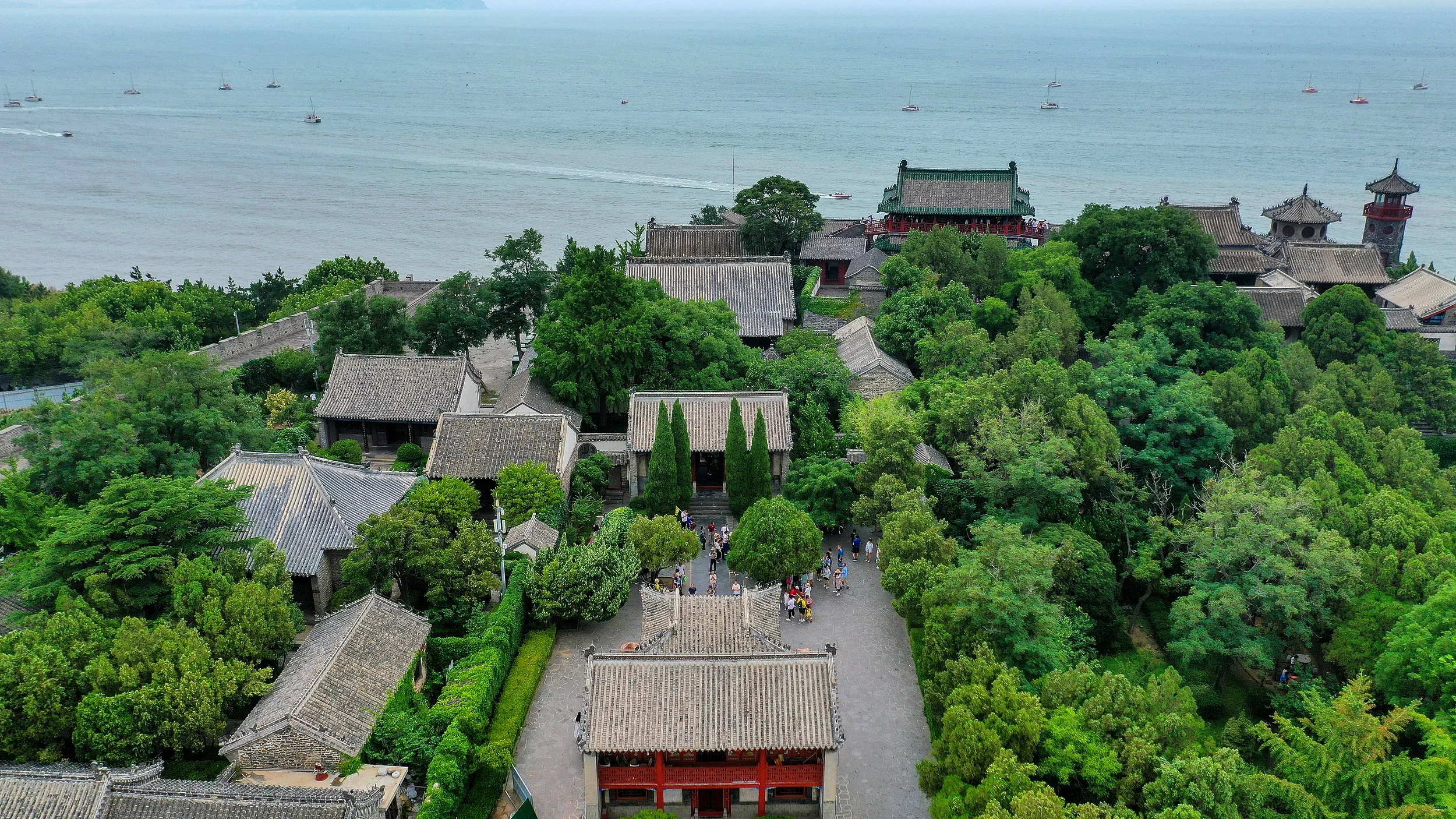
Figure 2. Aerial view of the Penglai scenic area, Yantai, Shandong, China. Source: Visual China, image ID VCG211393101487, 500px Signature, licensed to author.
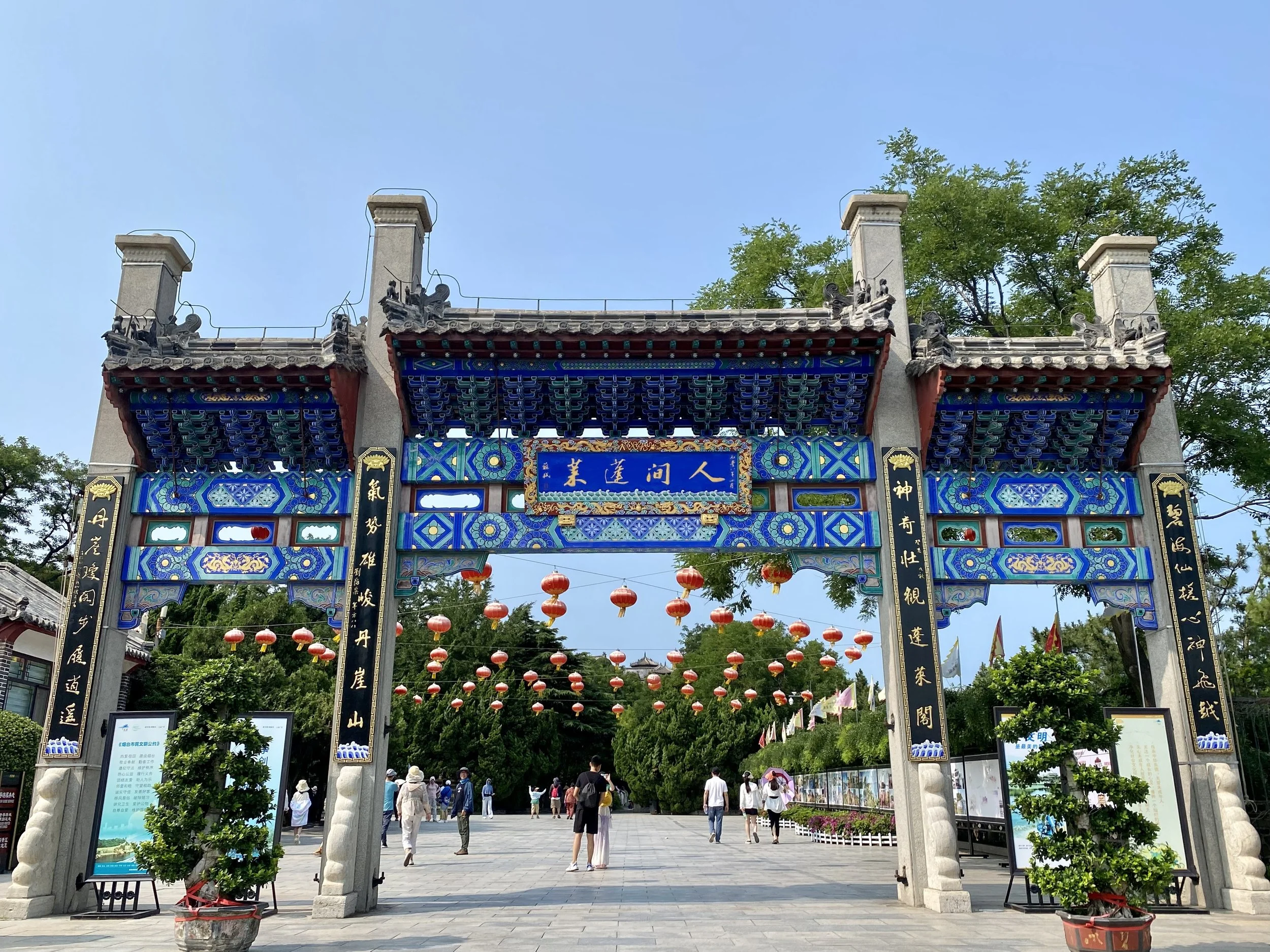
Figure 3. “人间蓬莱[sacred paradise on earth]” plaque, Penglai Pavilion, Yantai, Shandong, China. Photograph by Tao Huayi. Used with permission.
Before tracing this transformation, I first examine how the complex has been described in previous scholarship, which captures one historically accumulated layer of the pavilion’s identity. Scholarship on the complex has largely centered on its Taoist architecture, especially its alignment with the Taoist philosophy of naturalness, which provides an important foundation for this essay. According to the Daodejing, naturalness may be understood through the phrase, “Man follows the way of Earth, Earth follows the way of Heaven,” which expresses harmony between humanity and the natural world. The complex reflects this principle of naturalness both in its overall spatial arrangement and in specific construction details.
For its architectural arrangement, each building in the complex is distributed across the mountain's varying terrain and positions in alignment with the mountain's natural rise, so that the buildings appear to rise organically with the mountain terrain. The scholars Shaojun Dong and Long Zhu have explicitly explained how the buildings along the slope create a sacred journey reflective of Taoist spiritual ideals as travelers ascend the mountain. Built along the slope of Mount Danya, the complex is organized into three ascending sections: front, middle, and rear, from the foot of the mountain to its peak. The front section includes 弥陀寺 [the Amitabha Temple], 万民感恩碑亭 [the Stele of Gratitude Pavilion], and 丹崖仙境坊 [the Danya Immortal Realm Archway]. The Danya Immortal Realm Archway originally served as the gateway to the entire architectural complex before it became a modern tourist attraction. As its name suggests, the archway marks the threshold to an “immortal realm.” Passing through it symbolically separates the inner precinct from the ordinary world outside, thereby framing the site as sacred (fig. 4).
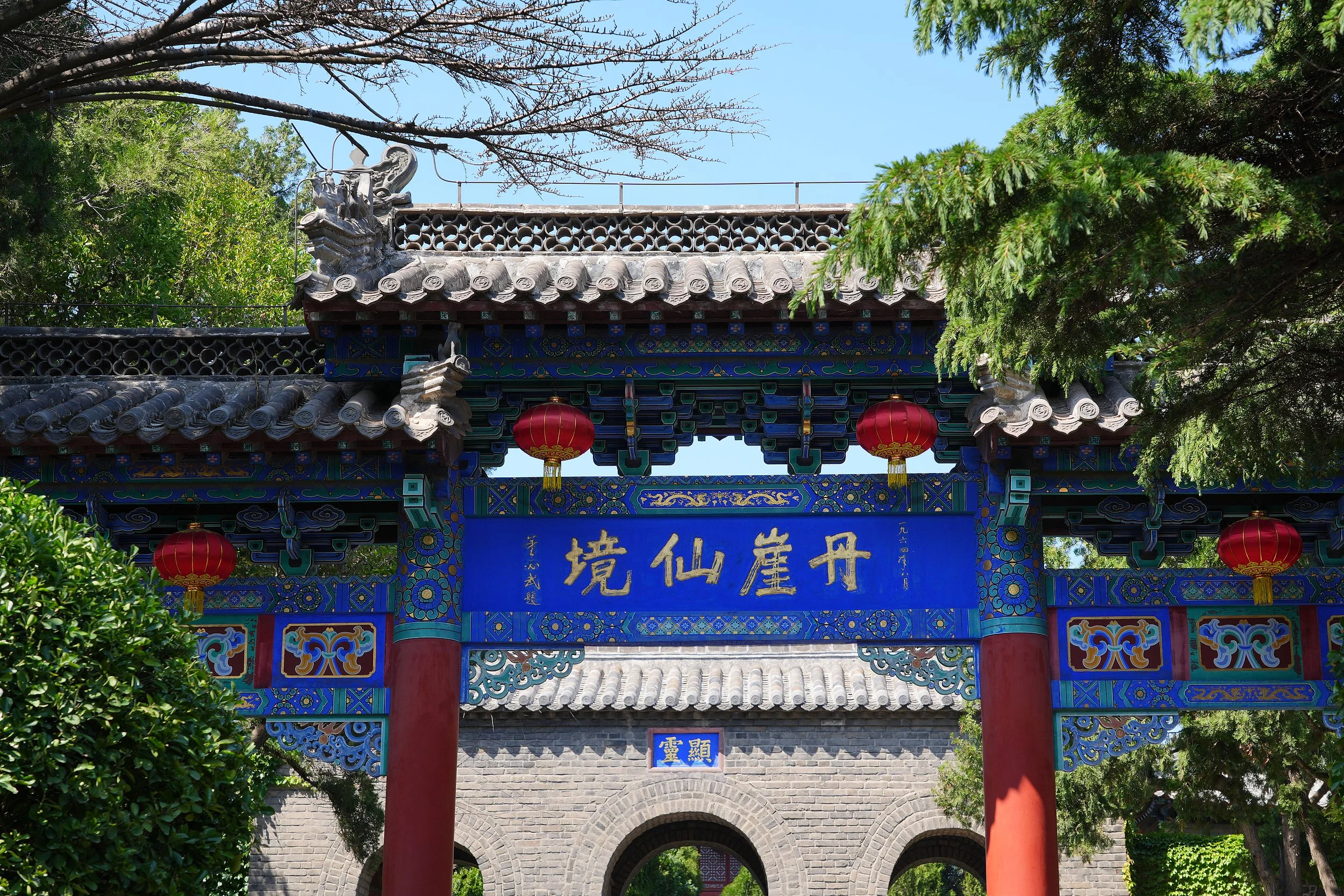
Figure 4. Danya Immortal Realm Archway, Penglai Pavilion, Yantai, Shandong, China. Source: Visual China, image ID VCG211575676454, 500px Signature, licensed to author.
Ascending further along the mountain, one reaches the middle section, primarily composed of ritual architecture, where people worship the Taoist Immortals. From west to east, there are three distinct north-south axes, which are 龙王宫 [Dragon King Palace], 天后宫 [Tianhou Palace], and 白云宫 [Baiyun Palace], leading to 三清殿 [Sanqing Hall]. These ritual buildings position the Penglai Pavilion Architectural Complex as a place where immortals and deities reside and protect local people with their divine power. Notably, many of the deities represented in this complex occupy relatively lower positions within the Taoist pantheon, such as Mazu, the protector of fishermen and seafarers (fig. 5). Because these deities are closely connected to the everyday lives of local people, they invite broader participation in sacred practices along the site’s path, which further builds up the site’s sacredness. Passing through these ritual architectures, we reach the peak of Mount Danya, the rear section. It contains the complex’s main structures, including the 澄碧轩 [Chengbi Pavilion], 避风亭 [Bifeng Pavilion], 蓬莱阁 [Penglai Pavilion], 卧碑亭 [Reclining Stele Pavilion], 苏公祠 [Su Gong Shrine], 宾日楼[Binri Tower], and 普照楼 [Puzhao Tower]. Penglai Pavilion, the heart of this architectural group, sits at the mountain's highest point. Although the mountain is not high enough to generate cloud effects through altitude alone, mist rising from the sea often veils the pavilion in an atmosphere of mystery and sacredness (fig. 6).
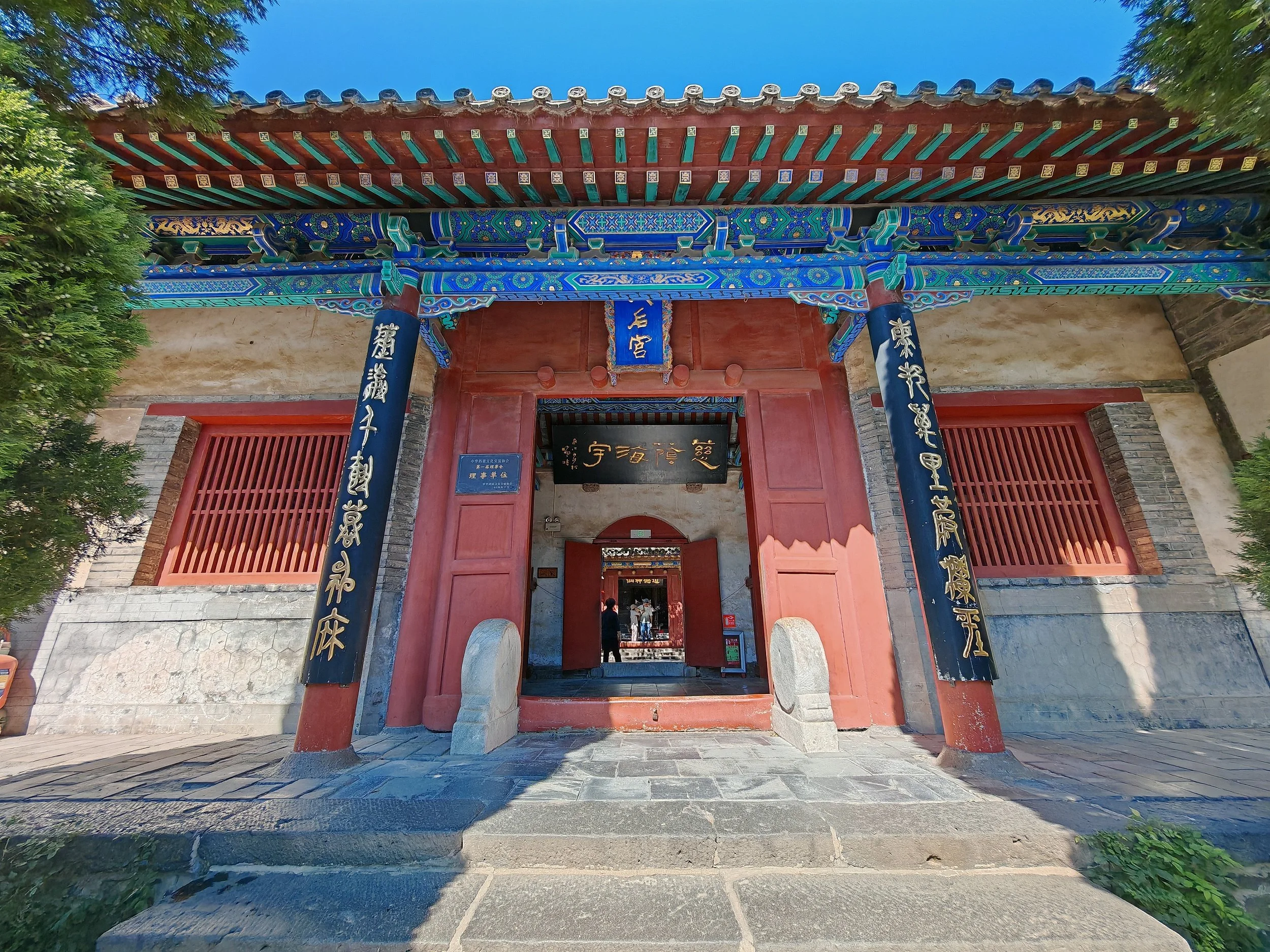
Figure 5. Tianhou Palace at Penglai Pavilion, Yantai, Shandong, China. Source: Visual China, image ID VCG211526068119, 500px Signature, licensed to author.
Besides the overall arrangement, there are other aspects of the complex symbolizing the idea of naturalness. For example, the timber-earth structure of the buildings is rooted in the 五行 [Five Elements theory], a longstanding Chinese cosmological system that relates wood, fire, earth, metal, and water to processes of generation, restraint, and transformation in the natural world. “Earth” symbolizes grounding in the natural world, while "wood" represents the east direction, where the sun rises, embodying vitality. By using natural materials to create an artificial structure within a natural setting, the complex adheres to the “naturalness” principle of Tao to harmonize humans with nature. This harmony is also reflected in the forecourt of the Tianhou Palace, where six reddish-brown rocks, standing in pairs, resemble the starry “Three Terrace” constellation and were named “三台石” [Three Terrace Stones] by Qing scholar Ruan Yuan. This Taoist association between stellar deities and Inner Alchemy became especially prominent from the Song dynasty onward and is reflected in the symbolic design of Penglai Pavilion. The stones were renamed "Kun Yao Stones" during the Daoguang period by Dengzhou magistrate Zhang You, who inscribed the name based on the Kun hexagram from the I Ching, a fundamental text for Taoism (fig. 7). Together, these stones and the Palace courtyard achieve a transformation from natural to symbolic landscapes, blending earth and stones to create a harmony of natural beauty and human-cultural expression.
All the above are commonly established ideas of the Penglai Pavilion Architectural Complex as summarized by various scholars. While they present a strong connection between the material construction of the complex and Taoist philosophy, which altogether give rise to a sacred experience, they all belong to what Jansen describes as “imposing religion onto a site” that “include[s]… the dotting of a mountain landscape with religious architecture or the identification of a certain spot with an auspicious celestial object or constellation,” which exactly coincides with the ideas mentioned in the previous articles about Penglai Pavilion Complex. He continues to explain that imposing a “set of pre-existent images and meaning onto the landscape” is not sufficient to transform a place into a sacred site, and it cannot explain the origin of this religious symbolism. In other words, focusing solely on the pre-existing images, which are mostly what previous scholarship has discussed, cannot explain how a landscape becomes a sacred site. Instead, it leads to a fixed image, for example, presenting Penglai Pavilion Architectural Complex as a static sacred site and overlooking its dynamic transformation over a thousand years in terms of its sacrality. By returning to the period before the pavilion’s construction and before these “pre-existing images” had fully formed, we can better see how the Penglai Pavilion complex was transformed over time, rather than treating the surviving architecture on Mount Danya as a static sacred image. From this, I will trace how these symbolic meanings first emerged in the early formation of the site’s sacrality.
At the time of its construction in 1061, Penglai Pavilion did not begin as a “sacred site” in David A. Palmer’s sense of a place that “shares a mystical unity with the ultimate being or reality”; in other words, it was not inherently sacred. The reason is quite clear in poem Loushi Ming 陋室铭 [Inscription about a Crude Dwelling], “mountains are famous not because of their heights, but because transcendent live there; waters are numinous not because of their depth, but because dragons live there [山不在高, 有仙則名; 水不在深, 有龍則靈].” On Mount Danya, where Penglai Pavilion is perched, there were no transcendent or immortal residencies. Penglai Pavilion was built on Mount Danya, an ordinary mountain that is neither high nor near the imperial space, unlike many other Taoist architectures built in the same period, such as Chongfu Gong on Mount Song (five peaks), Zongyang Gong on Mount Dadi (near the Capital Linan), and Bixia Ci on Mount Tai (sacred mountain). This requires an explanation of why Penglai Pavilion was not established as a sacred place but instead had Taoist architecture and philosophy imposed upon it, like other Taoist architectures built on sacred mountains during the Song dynasty.
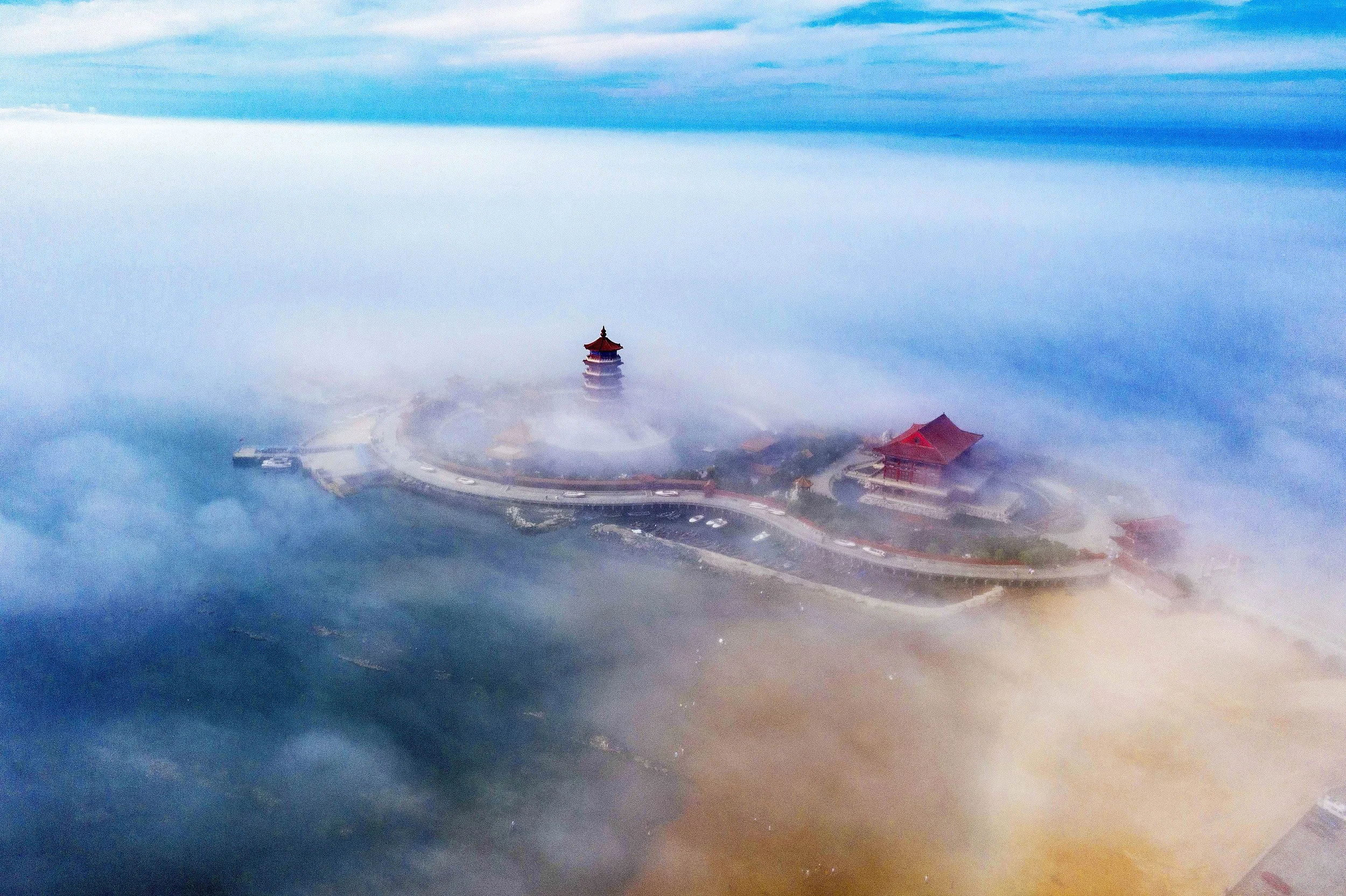
Figure 6. Penglai Pavilion shrouded in mist, Yantai, Shandong, China. Source: Visual China, image ID VCG211359331697, 500px Signature, licensed to author.
The reason lies in the name “Penglai.” Its story traces back to before the pavilion was established and before Penglai became an administrative locality of that name. Perhaps as early as the Warring States period (475–221 BCE), accounts from the Bohai Sea region describe visions of towering palaces, vast landscapes, and celestial beings appearing above the water, phenomena that were interpreted as glimpses of a sacred realm accessible only to immortals. The visions are what we call “mirage” today, which is an optical illusion produced by atmospheric refraction when light passes through layers of air with sharply different temperatures and densities, conditions that occur frequently near Penglai because of its coastal geography and maritime climate. Beliefs surrounding these seemingly supernatural visions in the Bohai region likely contributed to the paradise myth later recorded in the Shan Hai Jing 山海经 [Classic of Mountains and Sea] and Liezi Tangwen 列子·汤问 [Liezi: The Question of Tang]. There were five paradise mountains in the Gulf of Bohai, two of which sank, while three remain. Penglai is one of the remaining three. Penglai Mountain is a mythical paradise island where immortals resided, wine cups refilled themselves, and fruits bestowed eternal youth. The myth of the paradise-island Penglai drew rulers and emperors to sail into the Bohai Sea in search of it, believing that it held the secret of immortality. Emperor Wu of Han (141-87 BCE) also went to Bohai to seek Penglai; it was recorded in Du You’s Tong Dian 通典 [Comprehensive Institutions] that Emperor Wu failed and thus named a nearby area “Penglai.” From that point onward, Penglai started to refer to a distinct location at the northwest corner of the Shandong Peninsula on the southern coast of the Bohai Gulf, which is today’s Penglai District. From that point onward, the mythical Penglai and the terrestrial locality of Penglai became increasingly intertwined in cultural imagination.
Referring back to Liu Yuxi’s poem, we could interpret that there is a sacred mountain where “transcendent” people live—the mythical Penglai Mountain, not Penglai District’s Mount Danya, where the pavilion is located. By the Han Dynasty, though people already distinguished between the mythical Penglai in the Bohai Sea and the terrestrial locality of Penglai, Penglai District is strongly associated with the sacred mythical Penglai Mountain, where the immortals are believed to reside. The idea of immortality is similar to Neidan, or Inner Alchemy, which is a meditative practice that enables the practitioner to realize immortality and spiritual perfection with Tao. It belongs to one major current within Taoism that became widespread during the Northern Song Dynasty, when Neidan evolved into a highly complex and organized system in both its theoretical and practical aspects. In this context, Penglai Pavilion was erected on Mount Danya in Penglai as a Taoist architectural site that drew on both the region’s association with the myth of Penglai Mountain and the broader Northern Song interest in immortality.
Ultimately, Penglai Pavilion was at first established as a scenic site, as stated by the governor of Penglai District, Zhu Chuyue. Its function determines its architectural type—pavilion. A pavilion is usually built in elevated locations, serving purposes such as offering a place for people to climb and gaze far and wide, enjoy the scenery, store books, or perform religious rituals. Thus, Penglai Pavilion is perched at the highest point on Mount Danya. To the north, one can view the vast sea; to the East, one can view the rising sun. Most importantly, the pavilion offers the best vantage point for visitors to gaze over the mirage on the Bohai Sea, symbolizing the quest for the "Penglai" described in myth. When it was constructed in 1061, instead of as an inherently sacred site, Penglai Pavilion served as a tourist site for viewers to look for the sacred Penglai Mountain.
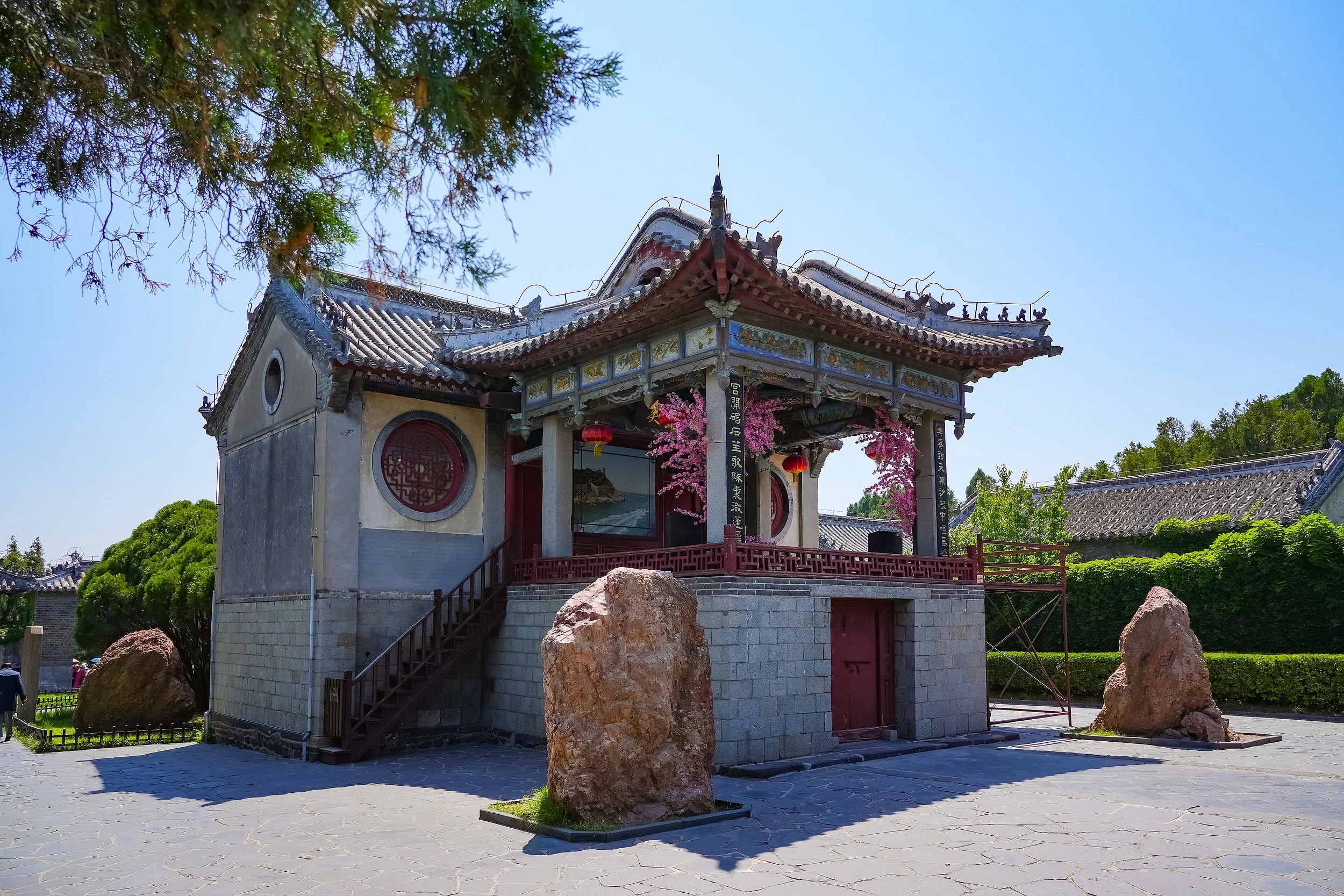
Figure 7. The Three Terrace Stones at Penglai Pavilion, Yantai, Shandong, China. Source: Visual China, image ID VCG211575545883, 500px Signature, licensed to author.
Later in the Song, Yuan, and Ming periods, Penglai Pavilion gradually transformed from a tourist site to a constructed sacred site, in which its changes possibly followed along with people’s understanding and perception of the mirage. Back in the Han Dynasty, the mirage was thought to be an immortal realm created by the breath of a mythical sea monster that looked like a giant clam. In the Northern Song, after the pavilion was constructed, it was recorded in Shenkuo’s Bixi Mengtan 笔溪梦谈 [Dream Pool Essays] that the formation of the mirage was doubted, but no alternative explanation was offered. Until the Ming Dynasty, in Lu Rong’s Xuyuan Zaji 菽园杂记 [Miscellaneous Records from the Bean Garden], the optical scientific explanation of mirage was raised, denying the mythical explanation. Though the myth of Penglai Mountain was still prevalent, attracting people to visit the Penglai Pavilion; people no longer regarded the mirage as sacred as they had two thousand years earlier. It is possible that, when the mirage could no longer sustain belief in the sacred realm on its own, people began to anchor that sacredness to a physical site. It was during this period that Penglai Pavilion underwent an implicit transformation into a constructed sacred site from a tourist site, a shift that can be seen through immaterial and material dimensions.
One of the subtler immaterial factors in the site’s sacralization is the body of poems written about Penglai Pavilion since the Song dynasty. These poems generally revolve around two themes: the vast sea view and the mirage of paradise. These poems describe the mirage and emphasize its beauty and allure, including Haishi Shi 海市诗 [Mirage Poem], Penglaige Ji Suojian 蓬莱阁记所见 [Recording the view on Penglai Pavilion], and Guan Haishi 观海市 [Viewing the Mirage]. Among them, Su Shi’s Mirage Poem is the most famous and was later carved onto a stele in the Wo Bei Ting 卧碑亭 [Reclining Stele Pavilion] (fig. 8). In the poem, Su Shi describes the mirage as a mysterious and alluring vision. As he writes, “东方云海空复空,群仙出没空明中。荡摇浮世生万象,岂有贝阙藏珠宫。” [The eastern sea of clouds is empty and yet not empty; within its luminous clarity, immortals appear and disappear. The swaying floating world gives rise to a thousand forms—how could there not be jeweled towers and pearl-filled palaces?] Yet he also acknowledges the unstable nature of the vision,“心知所见皆幻影,敢以耳目烦神工” [I know in my heart that all I saw was illusion; how dare I trouble divine craftsmanship with my eyes and ears?”] These lines emphasize both the visual spectacle of the mirage and its uncertain ontological status, presenting it as something suspended between natural phenomenon and sacred apparition.28 Although later readers debated whether Su Shi had actually seen the mirage, the poem promoted the Penglai Pavilion and influenced many other poets after him to write about mirages and reflect on his poem, namely Liu Guan (Yuan), Zha Shenxing, and Wang Shijun (Qing), even if some of them never went to the pavilion and see the mirage. As Paul Kroll says about the Tang Dynasty poets, we should not take the poems of landscape as the true reflection of a factual reality because the depictions have been recreated as a world seen through words, Su Shi and other poets who have been to Penglai also “recreated” the landscape through their figurative and hyperbolic words and also elevated the pavilion by emphasizing how miraculous the mirage view is that is seen from the pavilion. Because of the poems, the grandeur and sacredness of “the lexical landscapes and textural mountains,” rather than the “tourist site,” have been implanted in people’s minds when they think of Penglai Pavilion and the mirage, thus sacralizing the Penglai Pavilion to some extent.
Another important immaterial factor in the transformation of Penglai Pavilion’s identity is the myth of Ba Xian Guo Hai 八仙过海 [the Eight Immortals], which forged a strong connection between the pavilion and the immortals. This myth, popularized during the Ming Dynasty, especially through Wu Yuantai's Journey to the East, can be traced to the play Eight Immortals Crossing the Sea [争玉板八仙过滄海], found in volume 30 of MaiWang GuanXiao Chao GuJin ZaJu [脈望館校抄古今雜劇]. According to the myth, the Eight Immortals, on their way to the Conference of the Magical Peach, crossed a vast sea using their magical items, each crafting a unique vessel—be it a fan-formed boat, a lotus flower ship, or a gourd-powered craft. Together, they crossed the sea and reached the shore. Mount Danya, where Penglai Pavilion is located, is believed to be the starting point of this legendary journey. Another folk version even suggests that the immortals, drunk after a feast at Penglai Pavilion, sailed across the sea. Regardless of the different versions, the myth incorporates the physical location into the Taoist myth, lending the mountain and pavilion a sense of Taoist sacredness. This narrative move helped transform the site into a sacred place in its own right, rather than merely being associated with the "mythical paradise Penglai.” It is worth noting that the Eight Immortals were once ordinary humans who attained immortality through adventures and practice, yet retained human flaws. Similarly, the story of the Eight Immortals began as Chinese folk mythology and was later integrated into Taoism. In the same way, Penglai Pavilion and Mount Danya were elevated into the Taoist sacredness by their presence in the myth of Eight Immortals.
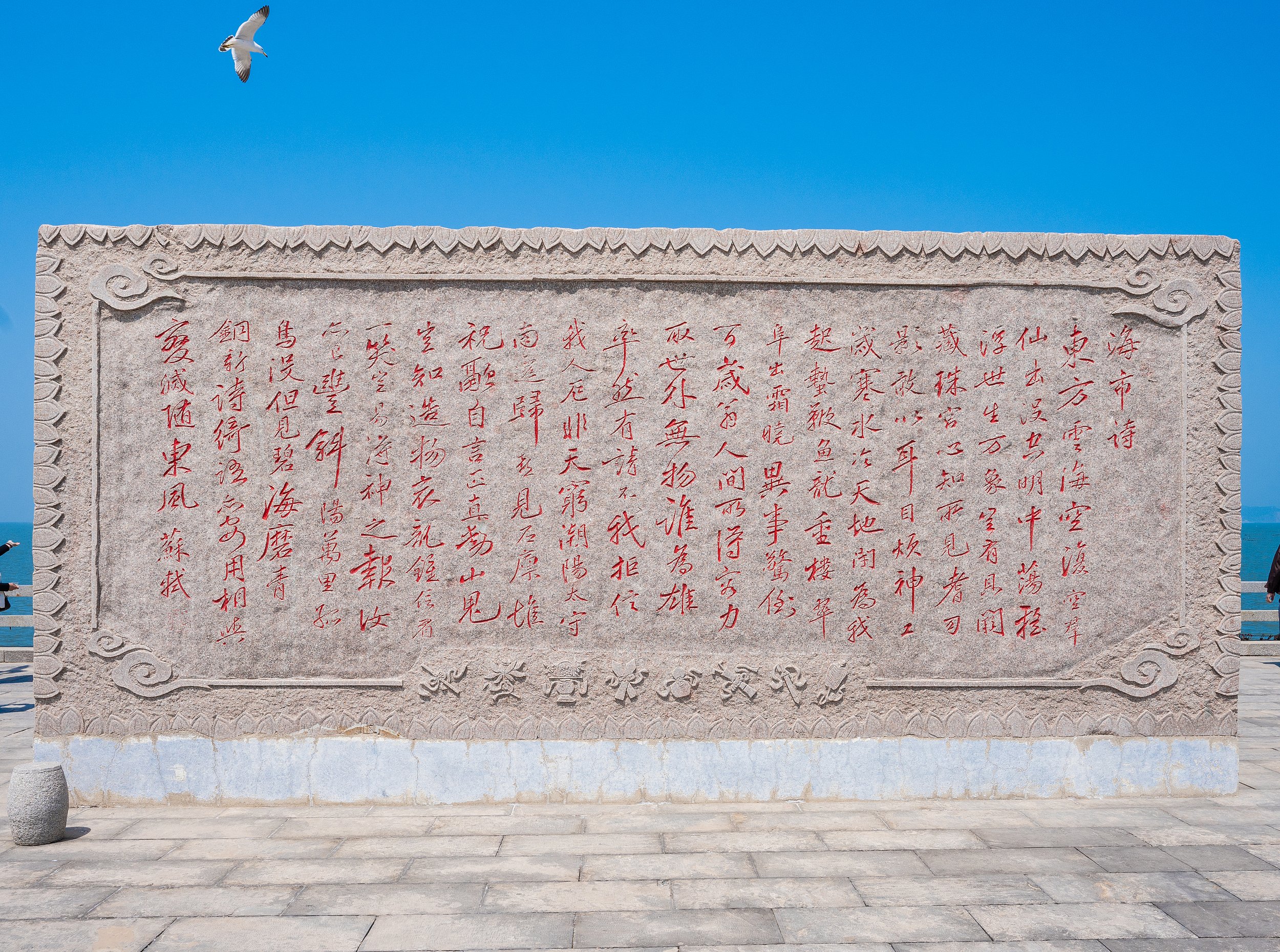
Figure 8. Reconstructed stele of Su Shi’s “Mirage Poem,” Penglai Pavilion, Yantai, Shandong, China; the older stele is housed in the Reclining Stele Pavilion. Source: Visual China, image ID VCG211546342649, 500px Essential, licensed to author.
A key material factor in the sacralization of Penglai Pavilion is the Taoist architectural construction of the complex. As mentioned earlier in the essay, the scholars writing about the complex mainly focus on the material construction and how the construction gives rise to a sense of sacredness by following the Taoist philosophy, which positions the complex as a static image of sacred Taoist architecture. Although this sacred image is materially imposed through architecture, it nonetheless shapes how the site is experienced, producing a sense of sacredness for those who move through it. The architectural complex is built along the mountain’s slope, symbolizing the Taoist principle of naturalness. The three sections of the complex guide visitors through a spiritual journey: entering the Immortal Realm, worshipping Taoist immortals, and finally viewing the “paradise” from the summit. Also, the construction material of wood and earth and the design elements of Three Terrace Stone all reflect naturalness, further enhancing this sacred experience. Thus, though the pavilion was not built as a sacred site, its material alignment with the Taoist philosophy constructs a sacred experience for people traversing the space, gradually influencing how people feel and perceive this place, from an ordinary scenic site to a sacred site.
In sum, this transformation is shaped by poetic traditions, the myth of the Eight Immortals Crossing the Sea, and the material construction of the complex. Together, they turned the complex into a constructed sacred site where humanity and nature were unified, making it a living symbol of Taoist sacredness. This shift follows a logic similar to W. J. T. Mitchell’s theory of landscape as a genre in painting; he explains that landscape is nature, but a conventionalized “nature” that is manipulated by culture, which blurs the boundary between nature and non-nature. Likewise, the Penglai Pavilion complex is a sacred site, but a constructed sacred site shaped through cultural mediation in ways that blur the boundary between sacred and non-sacred. This process of sacralization begins when Emperor Wu of Han associated the Bohai coastal region with the mythical Penglai; the poems not only elevate the mirage and pavilion’s view but also blur the the mythical island of Penglai and Penglai Pavilion; the myth of the Eight Immortals pulls the physical site into the mythical world; and the architecture of the complex fuses Taoist philosophy with built form. Altogether, an ordinary scenic site was sacralized.
The identity of Penglai Pavilion has never been fixed, because its interactions with culture and people have continually changed over time. In modern times, the site has been reconfigured as a tourist attraction whose sacred associations are actively mobilized within the heritage and tourism market. In 2008, the Penglai Pavilion tourism area was approved as a national AAAAA (5A) tourist attraction by the China National Tourism Administration, the highest official rating in China’s scenic-area classification system. For many years, Penglai Pavilion has served as a cornerstone of Penglai District's economy. In 2023, Penglai’s tertiary industry, mainly supported by tourism, achieved a 6.1% GDP growth, contributing significantly to the region’s economic development since the COVID period. In the same year, the pavilion was officially positioned in the tourism industry, as the "Origin of the Eastern Paradise," aligning with the district committee and government’s directive to create a “Paradise in Penglai Bay.” The infrastructure, viewing platforms, visitor routes, and even filmic representations are all organized around the concept of “Paradise” and the myth of the Eight Immortals. Penglai Pavilion is staged as a spectacle of “paradise” for tourist consumption and for the city’s economic development. Although its architecture, mountain setting, and circulation paths remain physically in place, they are framed as a commodity: a representation of a staged sacred landscape. In other words, the sacredness historically produced in the Ming and Qing periods is repackaged as a representational shell for the commercial entity of the Penglai Pavilion tourism area, transforming lived sacred meaning into a standardized tourism image. From the perspective of tourism and economic development, this shift toward representation may be inevitable and economically beneficial, but from the perspective of the Penglai Pavilion complex as a cultural entity, the representation blurs its historical and sacred significance.
Looking at the transformation of the Penglai Pavilion Architectural Complex over the centuries since the Northern Song, it is difficult to define the complex as either sacred or non-sacred, not only because of its dynamism but also because of the ambiguity of the term “sacred.” In addition to Palmer’s definition of sacredness, explained above, sacredness may also be understood in Durkheimian terms as something constituted by collective social, political, and cultural forces. The sacrality of the Penglai complex may align better with this latter definition, as it is collectively produced by a number of factors. These include the myth of the Eight Immortals, poems about the mirage, Taoist architecture, the rise of Inner Alchemy in the Northern Song, emperors’ desires for immortality, the myth of Penglai Island, the optical phenomenon of the mirage, and, ultimately, human mediation between the natural and cultural worlds. However, once the factor of the contemporary tourism economy is introduced, it may no longer be possible to call the pavilion complex a sacred site, whether by Palmer’s or a Durkheimian definition. Rather, it may instead have become a cultural product that markets sacred experience.
-
2 Meng Yang 杨猛, “Penglaige Jianzhu Buju Yu Yishu Wenhua Tanxi” 蓬莱阁建筑布局与艺术文化探析 [Analysis of Penglaige’s layout and artistic culture], Heihe Xuekan 黑河学刊 [Hei He Journal], no. 5 (September 2016); 23 Yi Fu 傅伊, “Penglaige Jianzhu Yishu Tanxi” 蓬莱阁建筑艺术探析 [Exploring the Architectural Art of Penglai Pavilion], Yishu Yu Sheji 艺术与设计 [Art and Design] 2, no. 1 (2023).
3 Thomas Jansen, “The Sacralisation of Landscape as Memory Space in Medieval China: ‘Ascending Mount Xian with Several Gentlemen,’” in Sacred Landscapes in Antiquity: Creation, Manipulation, Transformation, edited by Ralph Haussler and Gian Franco Chiai, 1st ed, (Oxbow Books, 2020), 279.
4 Laozi and Brook Ziporyn, Chapter 25 in Daodejing (New York, NY, Liveright Publishing Corporation, a division of W.W. Norton & Company, 2023), “人法地,地法天,天法道,道法自然。”
5 Shaojun Dong and Long Zhu 董韶军朱龙, “Daojiao Wenhua Yu Penglaige Gujianzhu” 道教文化与蓬莱阁古建筑 [Daoist and Penglai Pavilion Ancient Architecture], Zhan Lu Tai 瞻鲁台 [Platform of Studying Shandong], no. 3 (2014): 57.
6 Zhenzhen Li 李真真, “Lun Penglaige Buju Tese Ji Wenhua Chuancheng” 论蓬莱阁布局特色及文化传承 [Layout and Cultural Inheritance of Penglaige], Ye Jin Cong Kan 冶金丛刊 [Metallurgical Collections], no.4 (April 2017): 242.
7 Dong and Zhu, “Daojiao Wenhua Yu Penglaige Gujianzhu,” 58.
8 Ibid, 58.
9 Ibid.
10 Yang “Penglaige Jianzhu Buju Yu Yishu Wenhua Tanxi,” 52.
11 Xiaodong Zhou, “Penglai Gujianzhuqun Fenxi ——Yi “Renjian Xianjing” Penglaige Wei Li” 蓬莱古建筑群分析 ——以“人间仙境”蓬莱阁为例 [Analysis of the ancient buildings of Penglai——Take Penglai Pavilion, a "fairyland on earth", as an example], Yishu Wenhua Jiaoliu 艺术文化交流 [Communication of Art and Culture]. (May, 2018): 234.
12 Meng Yang 杨猛, “Penglaige Jianzhu Buju Yu Yishu Wenhua Tanxi” 蓬莱阁建筑布局与艺术文化探析 [Analysis of Penglaige’s layout and artistic culture], Heihe Xuekan 黑河学刊 [Hei He Journal], no. 5 (September 2016): 50.
13 Ibid.
14 Weicheng Lin, Building a Sacred Mountain: The Buddhist Architecture of China’s Mount Wutai (Seattle, WA: University of Washington Press, 2014) and J Robson, Power of Place the Religious Landscape of the Southern Sacred Peak (Nanyue) in Medieval China (Cambridge, MA: Harvard University Press, 2009) Quoted in Jansen, “The Sacralisation of Landscape as Memory Space in Medieval China: ‘Ascending Mount Xian with Several Gentlemen,’” 276.
15 Jansen, “Ascending Mount Xian with Several Gentlemen,” 281
16 Yuxi Liu, Loushi Ming 陋室铭 [Inscription about a Crude Dwelling], trans Robson, J. (Cambridge, MA, Harvard University Press, 2009), 22.
17 The Song Dynasty had a wide interest in Taoism from the imperial side. Zhongguo Gudai Jianzhu Shi 中国古代建 筑史[History of ancient Chinese architecture] records that at least two Northern Song emperors have been serious patrons of Taoist monasteries: Emperor Zhenzong and Huizong.# The former enacted a ceremony in which he received the heavenly teachings and ordered the construction of Abbeys to celebrate the heavens throughout the empire. The latter styled himself as a Taoist master. Taoist construction was spread in urban and mountainous settings in Song China.
18 Qian Sima 司马迁, “Tianguan Shu Diwu” 天官书第五 [Book of Celestial Offices] in Shiji 史记 [Historical Records], (Han Dynasty), Juan 27. “海边的蜃气形状象楼台;广阔的原野上所成云气象宫殿城阙,总之云气各自 与所在地的山川人民聚积的气象相同。”
19 Shan Hai Jing 山海经 [The classic of mountains and seas], Translated into modern Chinese by Chen Cheng (Changsha Shi: Hunan ren min chu ban she, 2010), Juan 12.
20 Lie Zi 列子. Liezi: Tang Wen 列子: 汤问 [The question of Tang, Liezi], (Warring States Period), Juan 5. “渤海之东 不知几亿万里,有大壑焉,实惟无底之谷,其下无底,名曰归墟。八弦九野之水,天汉之流,莫不注之,而无增无 减焉。其中有五山焉:一曰岱舆,二曰员峤,三曰方壶,四曰瀛洲,五曰蓬莱。”
21 Richard Strassberg, A Chinese Bestiary : Strange Creatures from the Guideways through Mountains and Seas = [Shan Hai Jing] / Edited and Translated with Commentary by Richard E. Strassberg (Berkeley: University of California Press, 2002), 204-205. Qian Sima 司马迁, “Qinshihuang Ben Ji” 秦始皇本纪 in Shiji 史记 [Historical Records], (Han Dynasty), “齐人徐福等上书,言海中有三神山,名曰蓬莱、方丈、瀛洲,仙人居之。”20 You Du 杜佑, Tong Dian 通典 [Comprehensive Institutions], (Tang Dynasty), Juan 180. “漢黃縣地武帝於此望 海中蓬萊山因築城以為名”, 唐代杜佑的《通典》“汉武帝于此望海中蓬莱山,因筑城以为名。” 21 Farzeen Baldrian-Hussein, “Neidan” 内丹 [Inner Alchemy], in The Encyclopedia of Taoism, edited by Fabrizio Pregadio (London: Routledge, 2008), 762.
22 Meng Yang 杨猛, “Penglaige Jianzhu Buju Yu Yishu Wenhua Tanxi,” 50.
23 Yi Fu 傅伊, “Penglaige Jianzhu Yishu Tanxi” 蓬莱阁建筑艺术探析 [Exploring the Architectural Art of Penglai Pavilion], Yishu Yu Sheji 艺术与设计 [Art and Design] 2, no. 1 (2023): 50.
24 Zhou, “Penglai Gujianzhuqun Fenxi ——Yi “Renjian Xianjing” Penglaige Wei Li,” 234. 25 Kuo Shen 沈括, Bi Xi Meng Tan 笔溪梦谈 [Dream Pool Essays], (Northern Song Dynasty) “登州海中时有云气, 为宫室台观,城堞人物,车马冠盖,历历可睹。”
25 Rong Lu 陆容, Shu Yuan Za Ji 菽园杂记 [Miscellaneous Records from the Bean Garden] (Ming Dynasty, Juan 9) “ 所谓海市,大抵山川之气掩映日光而成。”
26 Zou, Yujie. “Investigation and Protection of Penglai Pavilion Ancient Architecture Complex,” 14.28 Shiuan-Yu 陳宣諭, “ChenSu Shi’s Dengzhou Haishi Zhi Zhangfa Jiegou Ji Yishu Shoufa Tanxi 蘇軾〈登州海市〉 之章法結構及藝術手法探析 [Study on the writing organization and aesthetics of “The Ocean Mirage at Deng-zhou” Poem by Su Shi],” Deming Xuebao 德明學報 [Takming University Journal] 36, no. 2 (2012 December): 43.
27 Huiquan Fan 范惠泉, Penglaige Sushi Haishishi Wenxue Ji Shufa Yanjiu 蓬莱阁苏轼《海市诗》文学及书法研究 [Penglai Pavilion Su Shi Mirage Poem: Analysis of its Literature and Calligraphy], Leshan Shifan Xueyuan Xuekan 乐山师范学院学刊 [Journal of Leshan Normal University] 32, no. 5 (May 2017): 4.
28 Kroll, Paul W. “Lexical Landscapes and Textual Mountains in the High T’ang.” T’oung Pao 84, no. 1/3 (1998): 90.
29 Ibid.
30 “Zheng yuban baxian guo canghai 爭玉板八仙過滄海.” Textcourt. Published by Professor Tian Yuan Tan, Faculty of Asian and Middle Eastern Studies, University of Oxford. Accessed December 2, 2024. https://textcourt.ames.ox.ac.uk/database/scripts/M0021_01_A/?tab=info&tabfilter=.
31 “Taoist Immortals.” Taoism and the Arts of China. The Art Institute of Chicago. 2000. Accessed December 2, 2024.https://archive.artic.edu/taoism/renaissance/introj.php#:~:text=Humans%20who%20became%20immortal%20 were,%2C%20performing%2C%20and%20literary%20arts.&text=All%20text%20and%20images%20on,Unauthori zed%20use%20is%20prohibited.
32 Livia Kohn, Introducing Daoism : Hbk (Routledge, 2009), 163.
33 W.J.T. Mitchell, Landscape and Power (Chicago: University of Chicago Press, 2002), 5.36 “AAAAA Scenic Areas,” China National Tourism Administration, 16 November 2008. Archived from the original on 4 April 2014. Retrieved 9 April 2011.
34 Penglai Qu Tongji Ju 蓬莱区统计局 [Penglai District Statistics Bureau], “2023 Nian Yantai Shi Penglai Qu Guomin Jingji He Shehui Fazhan Tongji Gongbao 2023年烟台市蓬莱区国民经济和社会发展统计公报 [Statistical Bulletin on National Economic and Social Development of Penglai District, Yantai City in 2023],” The People’s Government of Yantai, April 22, 2024, https://www.yantai.gov.cn/art/2024/4/22/art_43176_3182337.html.
-
“AAAAA Scenic Areas”. China National Tourism Administration. 16 November 2008. Archived from the original on 4 April 2014. Retrieved 9 April 2011. http://en.cnta.gov.cn/html/2008-11/2008-11-16-10-27-72978.html.
Baldrian-Hussein, Farzeen. “Neidan” 内丹 [Inner Alchemy]. In Pregadio, Fabrizio, ed. The Encyclopedia of Taoism / Edited by Fabrizio Pregadio. London: Routledge, 2008.
Dong, Shaojun 董韶军, Long Zhu 朱龙. “Daojiao Wenhua Yu Penglaige Gujianzhu” 道教文化 与蓬莱阁古建筑 [Daoist and Penglai Pavilion Ancient Architecture]. Zhan Lu Tai 瞻鲁 台 [Platform of Studying Shandong]. no. 3 (2014): 57-59.
Du, You 杜佑. Tong Dian 通典 [Comprehensive Institutions]. Tang Dynasty.
Fan, Huiquan 范惠泉. “Penglaige Sushi Haishishi Wenxue Ji Shufa Yanjiu 蓬莱阁苏轼《海市 诗》文学及书法研究 [Penglai Pavilion Su Shi Mirage Poem: Analysis of its Literature and Calligraphy].” Leshan Shifan Xueyuan Xuekan 乐山师范学院学刊 [Journal of Leshan Normal University] 32, no. 5 (May 2017): 1-9.
Fu, Yi 傅伊. “Penglaige Jianzhu Yishu Tanxi” 蓬莱阁建筑艺术探析 [Exploring the Architectural Art of Penglai Pavilion]. Yishu Yu Sheji 艺术与设计 [Art and Design] 2, no. 1 (2023): 49-51.
Jansen, Thomas. “The Sacralisation of Landscape as Memory Space in Medieval China: ‘Ascending Mount Xian with Several Gentlemen.’” In Sacred Landscapes in Antiquity: Creation, Manipulation, Transformation, edited by Ralph Haussler and Gian Franco Chiai, 1st ed., 277–84. Oxbow Books, 2020.
Kohn, Livia. Introducing Daoism : Hbk. Routledge, 2009.
Laozi and Brook Ziporyn, Daodejing. New York, NY, Liveright Publishing Corporation, a division of W.W. Norton & Company, 2023.
Li, Zhenzhen. “Lun Penglaige Buju Tese Ji Wenhua Chuancheng 论蓬莱阁布局特色及文化传 承 [Layout and Cultural Inheritance of Penglaige].” Yejin Congkan 冶金丛刊 [Metallurgical Collections], no. 4 (2017): 242-246.
Lie, Zi 列子. “Liezi: Tang Wen” 列子: 汤问 [The question of Tang, Liezi] in Liezi 列子 [Liezi]. Warring States period.
Little, Stephen, and Shawn Eichman. Taoism and the Arts of China / Stephen Little with Shawn Eichman ; with Essays by Patricia Ebrey [and Others]. 1st ed. Chicago: Art Institute of Chicago, 2000.
Lin, Weicheng. Building a Sacred Mountain: The Buddhist Architecture of China’s Mount Wutai. Seattle, WA, University of Washington Press, 2014.
Liu, Yuxi 刘禹锡. Loushi Ming 陋室铭 [Inscription about a Crude Dwelling], trans Robson, J. Cambridge, MA, Harvard University Press, 2009.
Lu, Rong 陆容. Shu Yuan Za Ji 菽园杂记 [Miscellaneous Records from the Bean Garden]. Ming Dynasty.
Mitchell, W. J. T. Landscape and power / edited by W.J.T. Mitchell. 2nd ed. Chicago: University of Chicago Press, 2002.
Palmer, David A. “Transnational Sacralizations: When Daoist Monks Meet Global Spiritual Tourists.” Ethnos (Basingstoke) 79, no. 2 (March 2014): 169–92. https://doi.org/10.1080/00141844.2012.714396.
Kroll, Paul W. “Lexical Landscapes and Textual Mountains in the High T’ang.” T’oung Pao 84, no. 1/3 (1998): 62-101.
Robson, J. Power of Place the Religious Landscape of the Southern Sacred Peak (Nanyue) in Medieval China. Cambridge, MA, Harvard University Press, 2009.
Shan Hai Jing 山海经 [The classic of mountains and seas]. Translated into modern Chinese by Chen Cheng. Changsha Shi: Hunan ren min chu ban she, 2010.
Shen, Kuo 沈括. Bi Xi Meng Tan 笔溪梦谈 [Dream Pool Essays]. Northern Song Dynasty.
Sima, Qian 司马迁. “Juan Ershiqi Tianguan Shu Diwu” 卷二十七 天官书第五 [Juan Twenty Seven Book of Celestial Offices] in Shiji 史记 [Historical Records]. Han Dynasty.
Sima, Qian 司马迁. “Qin Shi Huang Ben Ji” 秦始皇本纪 in Shiji 史记 [Historical Records]. Han Dynasty.
Strassberg, Richard E. A Chinese Bestiary : Strange Creatures from the Guideways through Mountains and Seas = [Shan Hai Jing] / Edited and Translated with Commentary by Richard E. Strassberg. Berkeley: University of California Press, 2002.
“Taoist Immortals.” Taoism and the Arts of China. The Art Institute of Chicago. 2000. Accessed December 2, 2024.
https://archive.artic.edu/taoism/renaissance/introj.php#:~:text=Humans%20who%20beca me%20immortal%20were,%2C%20performing%2C%20and%20literary%20arts.&text= All%20text%20and%20images%20on,Unauthorized%20use%20is%20prohibited.
Yang, Meng 杨猛. “蓬莱阁建筑布局与艺术文化探析[Analysis of Penglaige’s layout and artistic culture],” 黑河学刊 [Hei He Journal], no. 5 (September 2016):49-52.
Yantai Qu Renmin Zhengfu 烟台区人民政府 [The People’s Government of Yantai]. “2023 Nian Yantai Shi Penglai Qu Guomin Jingji He Shehui Fazhan Tongji Gongbao 2023年烟台市 蓬莱区国民经济和社会发展统计公报 [Statistical Bulletin on National Economic and
Social Development of Penglai District, Yantai City in 2023].” April 22, 2024, https://www.yantai.gov.cn/art/2024/4/22/art_43176_3182337.html.
“Zheng yuban baxian guo canghai 爭玉板八仙過滄海.” Textcourt. Published by Professor Tian Yuan Tan, Faculty of Asian and Middle Eastern Studies, University of Oxford. Accessed December 2, 2024. https://textcourt.ames.ox.ac.uk/database/scripts/M0021_01_A/?tab=info&tabfilter=,
Zhou, Xiaodong. “Penglai Gujianzhuqun Fenxi ——Yi “Renjian Xianjing” Penglaige Wei Li” 蓬 莱古建筑群分析——以“人间仙境”蓬莱阁为例 [Analysis of the ancient buildings of Penglai——Take Penglai Pavilion, a "fairyland on earth", as an example]. Yishu Wenhua Jiaoliu 艺术文化交流 [Communication of Art and Culture]. (May, 2018): 234–246.
